The Changing Political Map Beneath New Glarus
Long before Swiss settlers arrived in 1845, the ground beneath New Glarus passed through French and British claims, overlapping Virginia and Massachusetts claims, four U.S. territories and two counties before Green County finally appeared on the map. And then it kept changing.

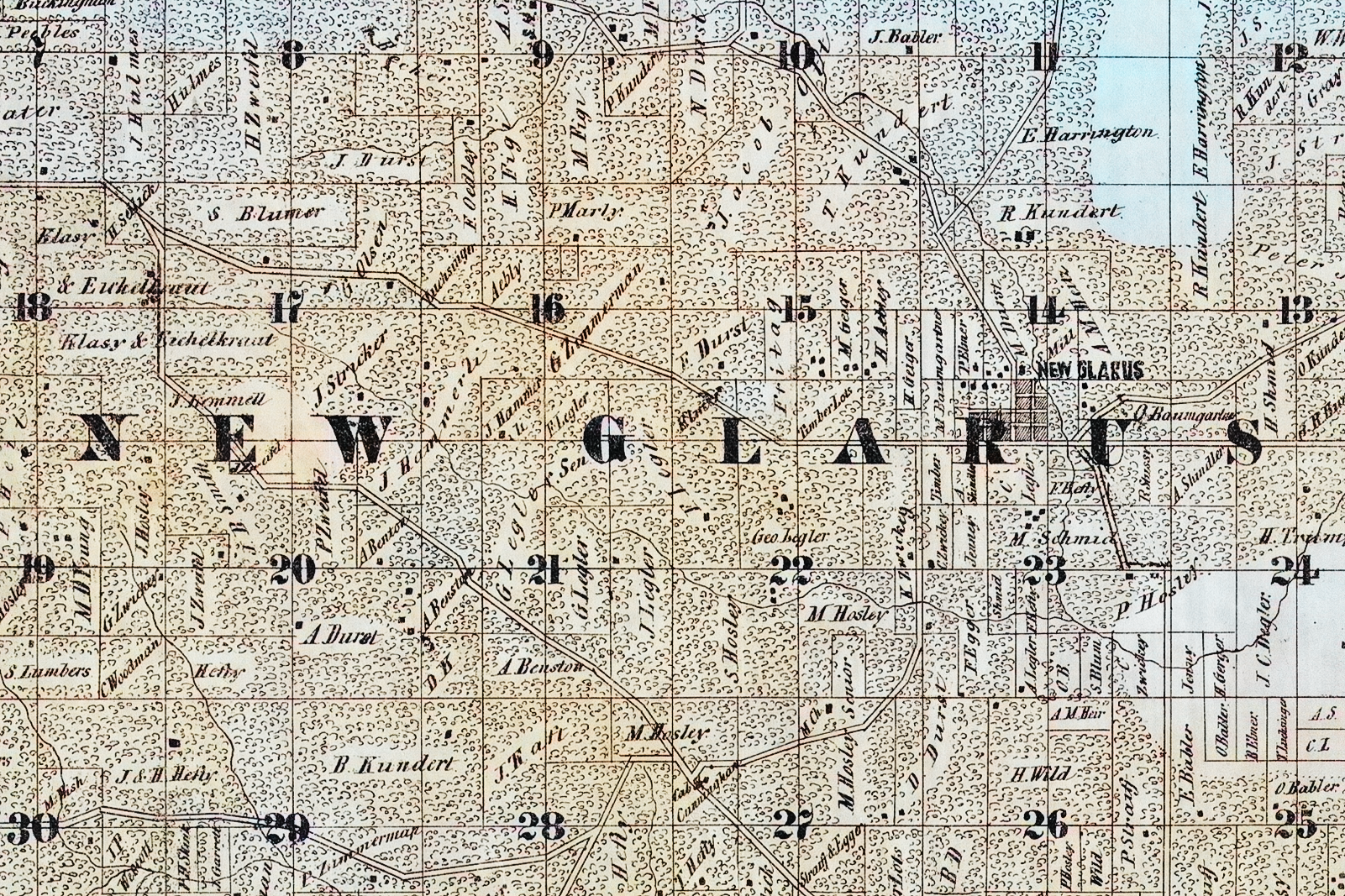
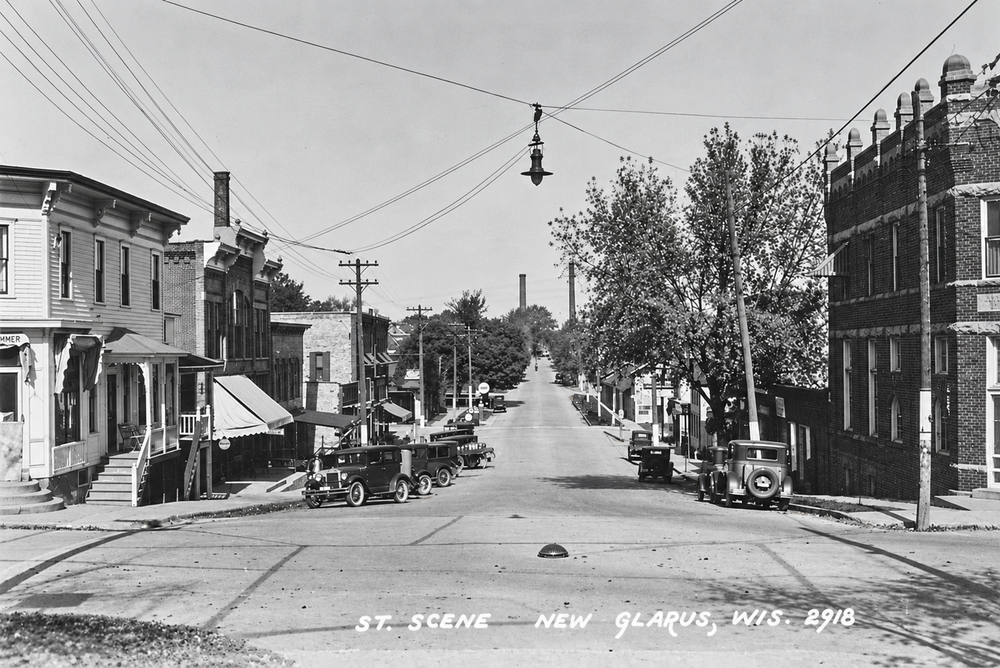
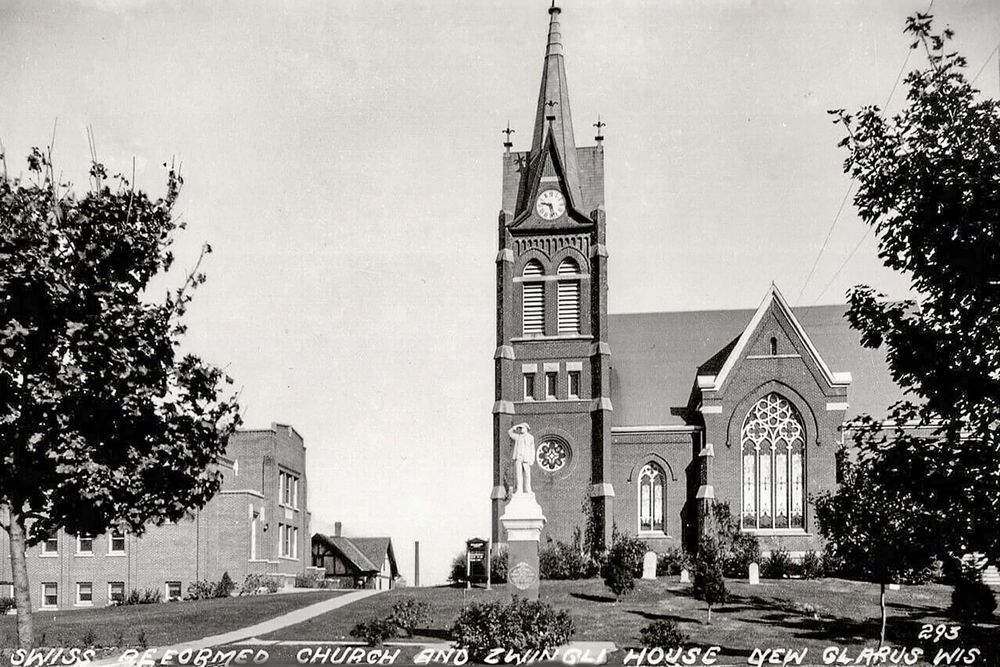
Stand today somewhere in downtown New Glarus and imagine never moving. Keep your feet planted in the same place while the map around you changes. The country changes. The government changes. The territory changes. Eventually, even the county changes.
For most of that history, nobody living here would have recognized those changing lines in quite the way a modern resident would. Political claims and actual control did not always change at the same moment, and different governments sometimes asserted overlapping authority over the same territory. Indigenous people also occupied, traveled and exercised control over parts of this landscape long before Europeans began drawing their own boundaries across it. That much larger history deserves a story of its own.
 Todd Klassy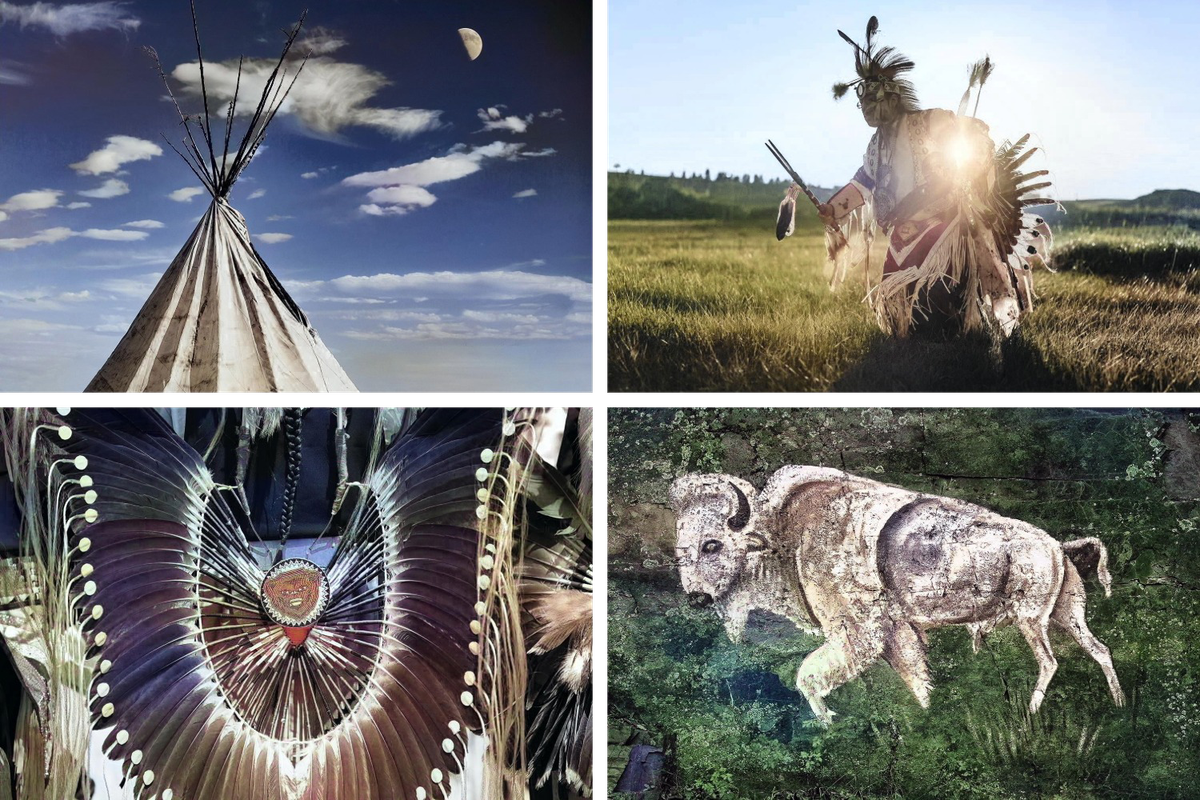
The changes were rarely as tidy on the ground as they appear on a modern timeline. A treaty might transfer a European claim from one empire to another, while soldiers, traders and Native nations continued operating under older relationships for years. At other times, governments asserted overlapping claims to the same territory. The map could change before control did.
That said, the European political story begins with France. French explorers and traders entered what is now Wisconsin during the 1600s, and France formally claimed the region in 1672. But French control looked little like modern government. Wisconsin was part of a sprawling North American empire tied together by waterways, Native alliances, missions and the fur trade. The future site of New Glarus was not a French settlement with a mayor or courthouse. It was simply ground that France said belonged within New France.
Remaining content is for paid members only.
Please subscribe to any paid plan to unlock this article and more content.
Subscribe Now