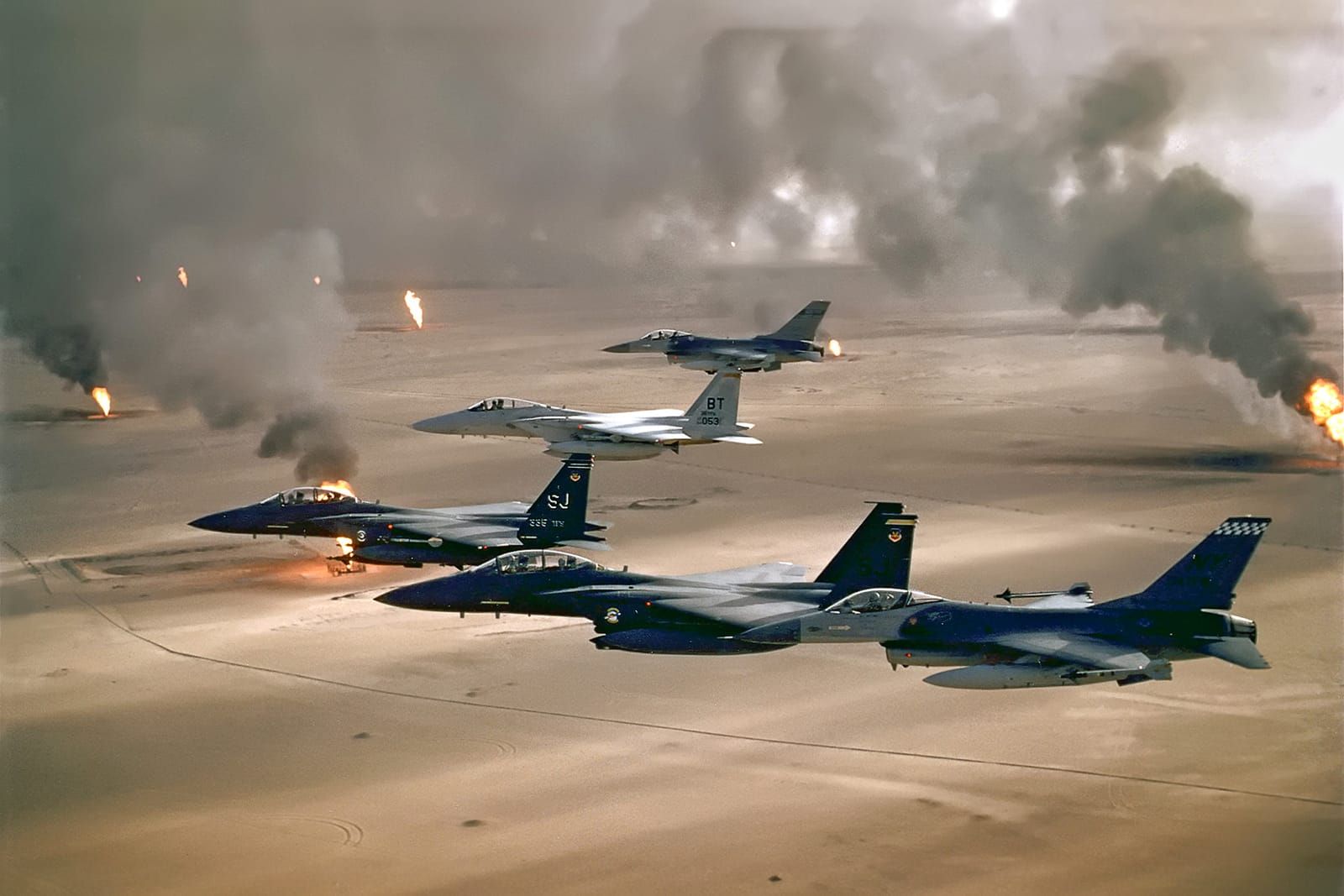
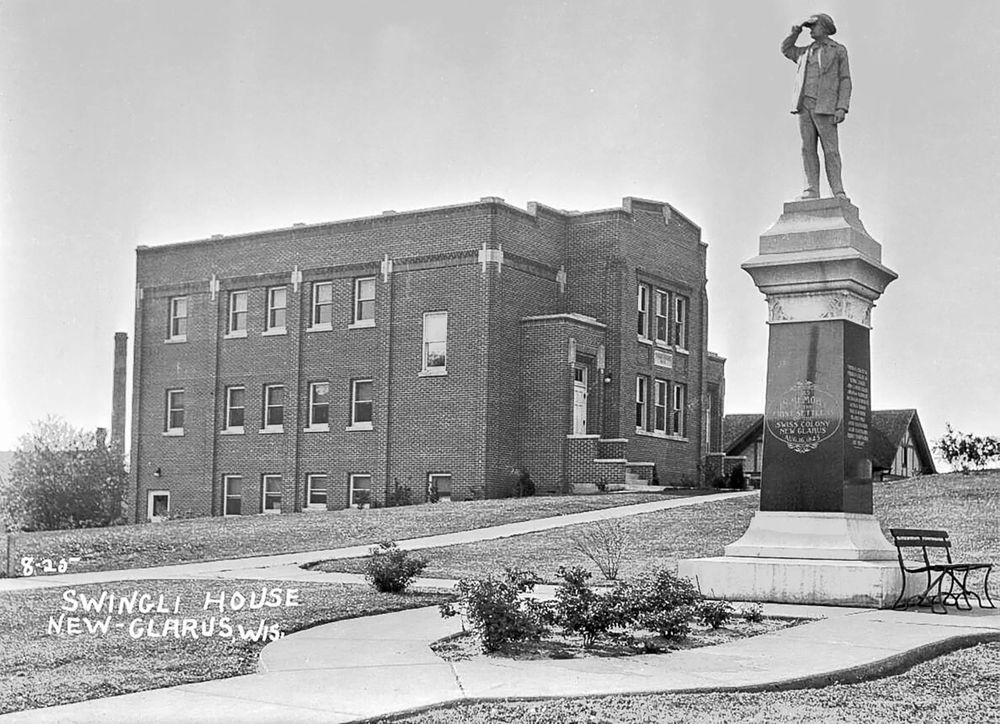
On Nov. 20, 1990, military vehicles and a bus carrying members of the Wisconsin Army National Guard’s 1158th Transportation Company rolled north out of Monroe. Its rank and file included members from across the region, including New Glarus. And along Highway 69 in New Glarus, people waited with American flags, banners and homemade signs to say goodbye to soldiers headed toward a conflict whose outcome was anything but certain.
This Veterans Day, 36 years later, the scene offers a reminder of what military service asks of the people who wear the uniform — and of the families and communities who watch them leave. We know now that Operation Desert Storm would end in a rapid coalition victory. The people standing beside Highway 69 that morning had no such reassurance.
In 1990, the memories of previous American encounters with war and violence weighed heavily. Vietnam had left a legacy of casualties, division and defeat. An American mission to rescue hostages in Iran had ended with eight service members dead in 1980. Three years later, the bombing of the Marine barracks in Beirut killed 241 American military personnel. For anyone watching the Gulf crisis unfold, another military commitment in the Middle East brought frightening possibilities.
And the opponent was formidable. Iraq had invaded neighboring Kuwait in August. Its army, often described at the time as the fourth-largest in the world, had emerged from eight years of war with Iran with hundreds of thousands of troops, thousands of tanks and experience in brutal combat. American troops were preparing for large-scale operations across a desert battlefield, with no guarantee that the fighting would be brief or that the losses would be light.
Remaining content is for paid members only.
Please subscribe to any paid plan to unlock this article and more content.
Subscribe Now