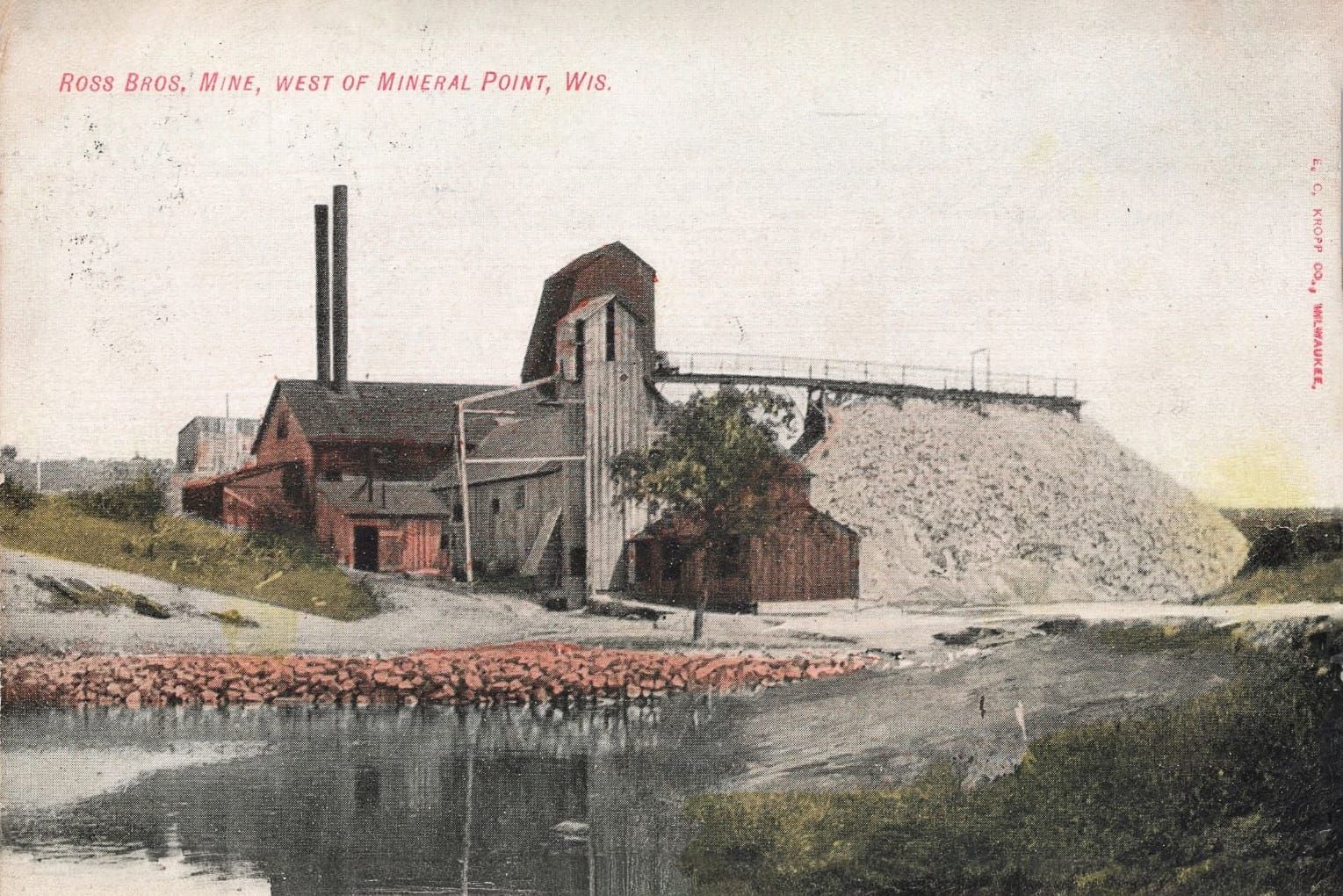
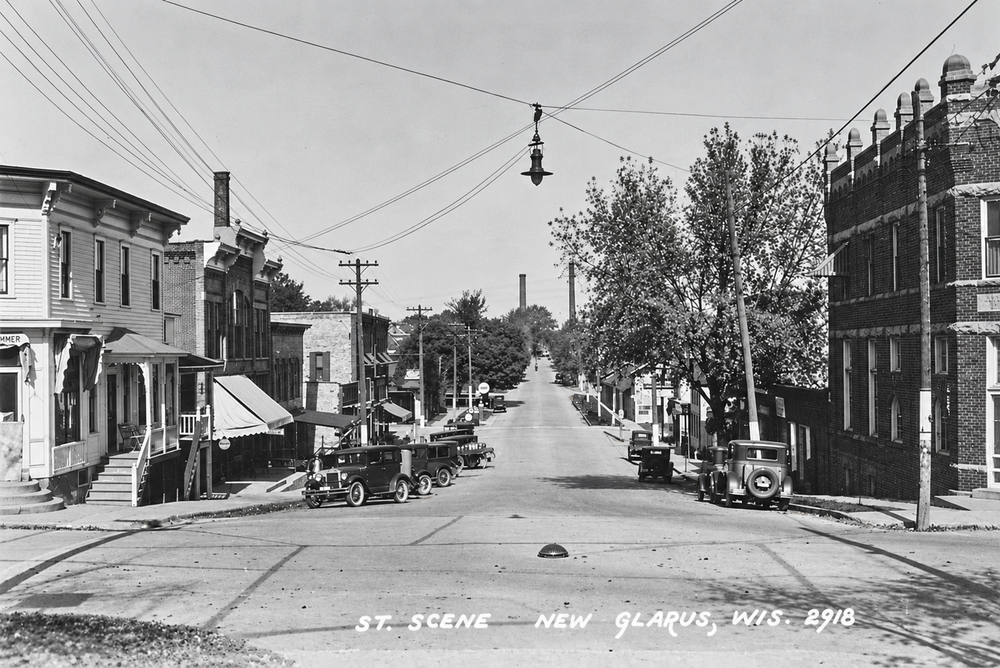
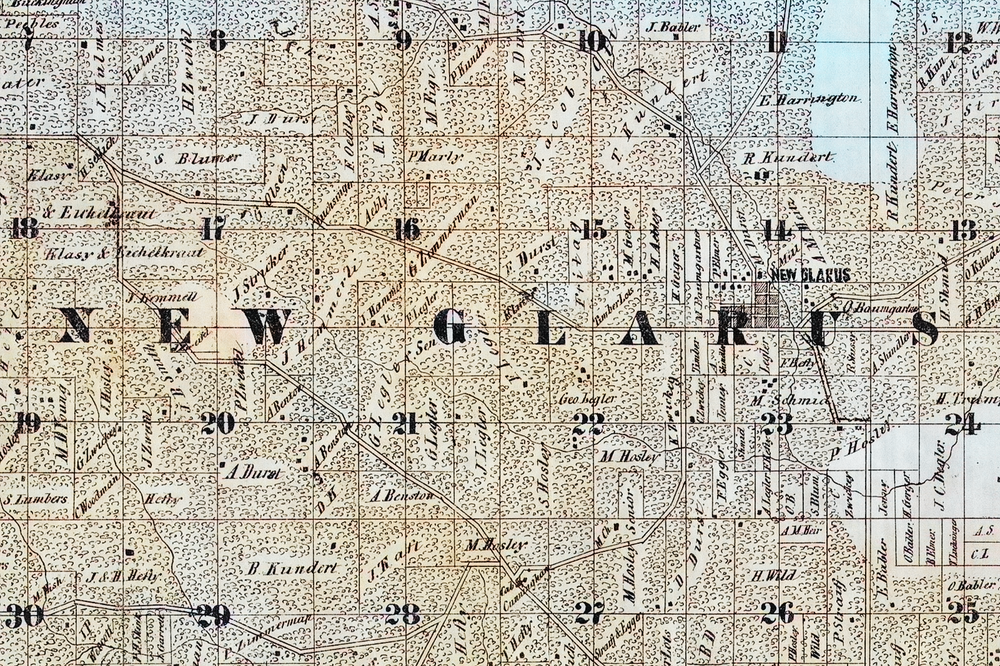
Before New Glarus became known for dairy farms, cheese and Swiss traditions, the landscape around it had already been transformed by another industry: lead. By the time the first Swiss colonists arrived in 1845, southwestern Wisconsin had spent nearly two decades as one of the nation’s most important lead-producing regions.
The mining boom had created towns, roads, smelters, businesses and a cash economy across the region. It had also drawn thousands of settlers into lands where Ho-Chunk, Meskwaki, Sauk and other Native peoples had mined lead long before large numbers of Europeans arrived. The rush for mineral wealth accelerated U.S. pressure for Native land cessions and helped reshape the political and economic map of territorial Wisconsin.
By 1829, more than 4,000 miners were working in southwestern Wisconsin and producing about 13 million pounds of lead a year, according to the Wisconsin Historical Society. Lead production continued rising through the 1840s and reached its high point in 1845 — the same year New Glarus was founded. At its peak, Wisconsin mines produced more than half of the nation’s lead.
Remaining content is for paid members only.
Please subscribe to any paid plan to unlock this article and more content.
Subscribe Now