
On the Horizon: A Solution to New Glarus' Cell Phone Problem?
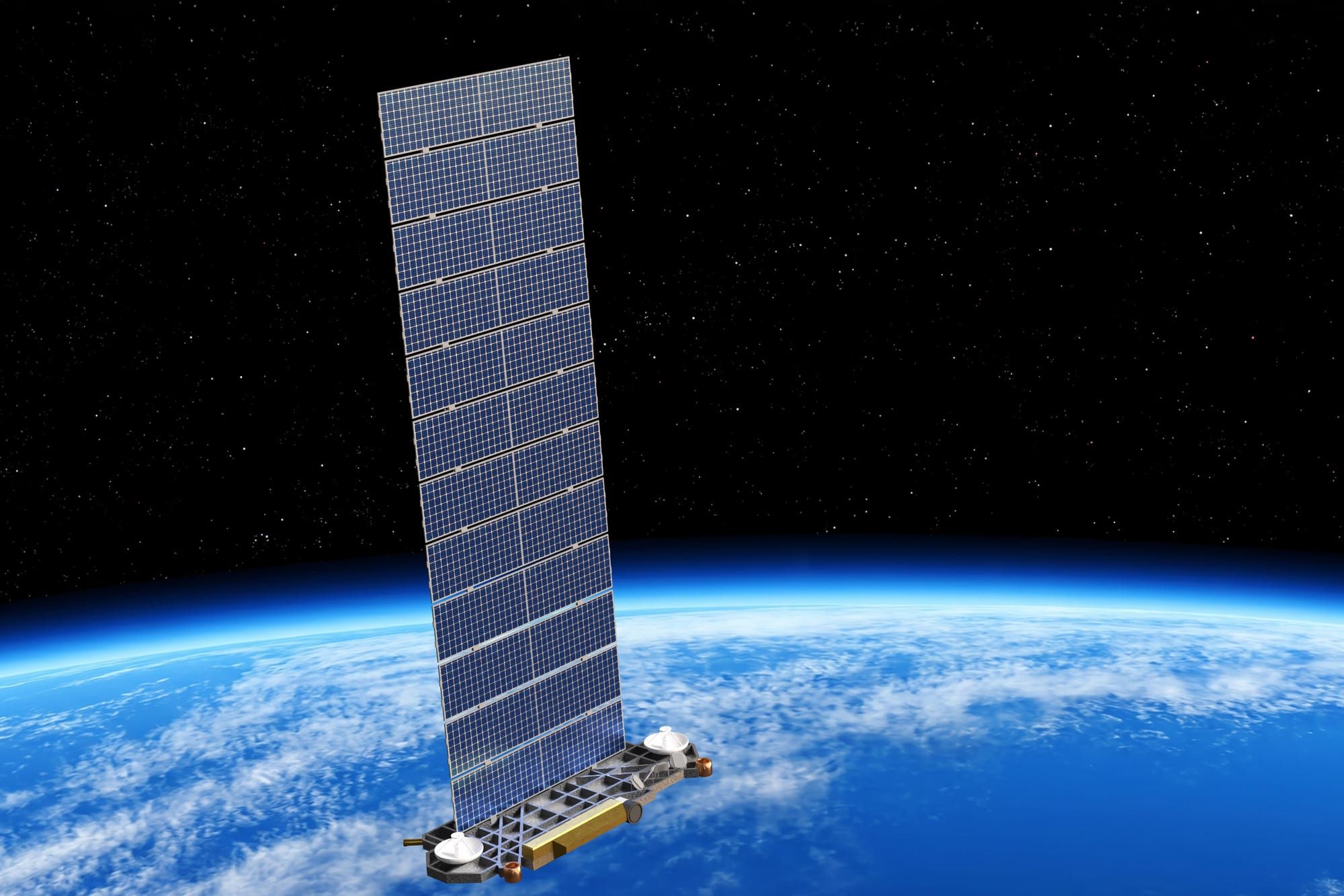
A new SpaceX spectrum deal could turn Starlink from a dead-zone backup into a hybrid mobile network. For New Glarus, the bigger story may be what happens when phones, ambulances, farms and remote sensors no longer depend entirely on towers.

On the Horizon is a New Glarus 360 feature looking beyond today’s headlines at larger economic, demographic, technological and cultural changes that may eventually reach our community. The goal is not to predict the future, but to recognize consequential changes while they are still far enough away to prepare for them.
For as long as cellular telephones have been part of everyday life, New Glarus has been a difficult place to cover. The village sits low among surrounding hills, while the countryside quickly gives way to the ridges, valleys, woods and uneven terrain of southwestern Wisconsin. The Wisconsin Department of Natural Resources describes New Glarus Woods as sitting on the boundary of the Driftless Area, where rugged terrain, steep hills and ravines extend north and west.
Setting recent T-Mobile issues aside, that geography helps explain a familiar local frustration: a phone can work well on one ridge, fade in the next valley and struggle again inside a downtown building. During major festivals, a different problem can appear when thousands of additional users arrive at once and the available cellular capacity is suddenly shared by far more phones.
 Todd Klassy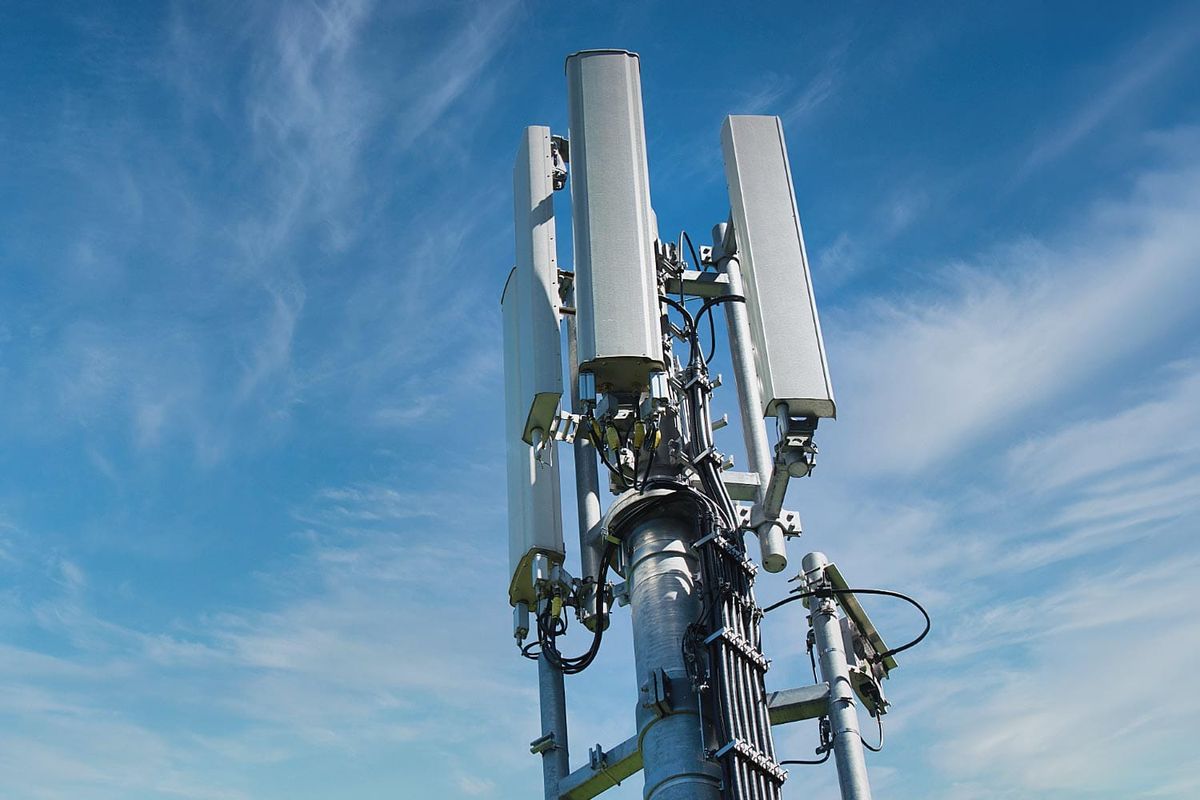
A series of moves by SpaceX now raises the possibility that those two problems — coverage and capacity — may eventually be attacked in a very different way. On Oct. 8, SpaceX announced an agreement to acquire Grain Management’s nationwide portfolio of up to 14 megahertz of paired 800 MHz spectrum. The transaction still requires Federal Communications Commission approval.
The significance is not that an 800 MHz signal will somehow fall from a satellite and penetrate every building. SpaceX says its planned Starlink Mobile network will combine its satellite-to-phone constellation with an “advanced terrestrial deployment.” The 2 GHz satellite spectrum is intended to provide much of the higher-bandwidth capacity, while the lower-frequency 800 MHz spectrum would provide a terrestrial coverage layer with better reach through walls and other obstacles.
Remaining content is for paid members only.
Please subscribe to any paid plan to unlock this article and more content.
Subscribe Now