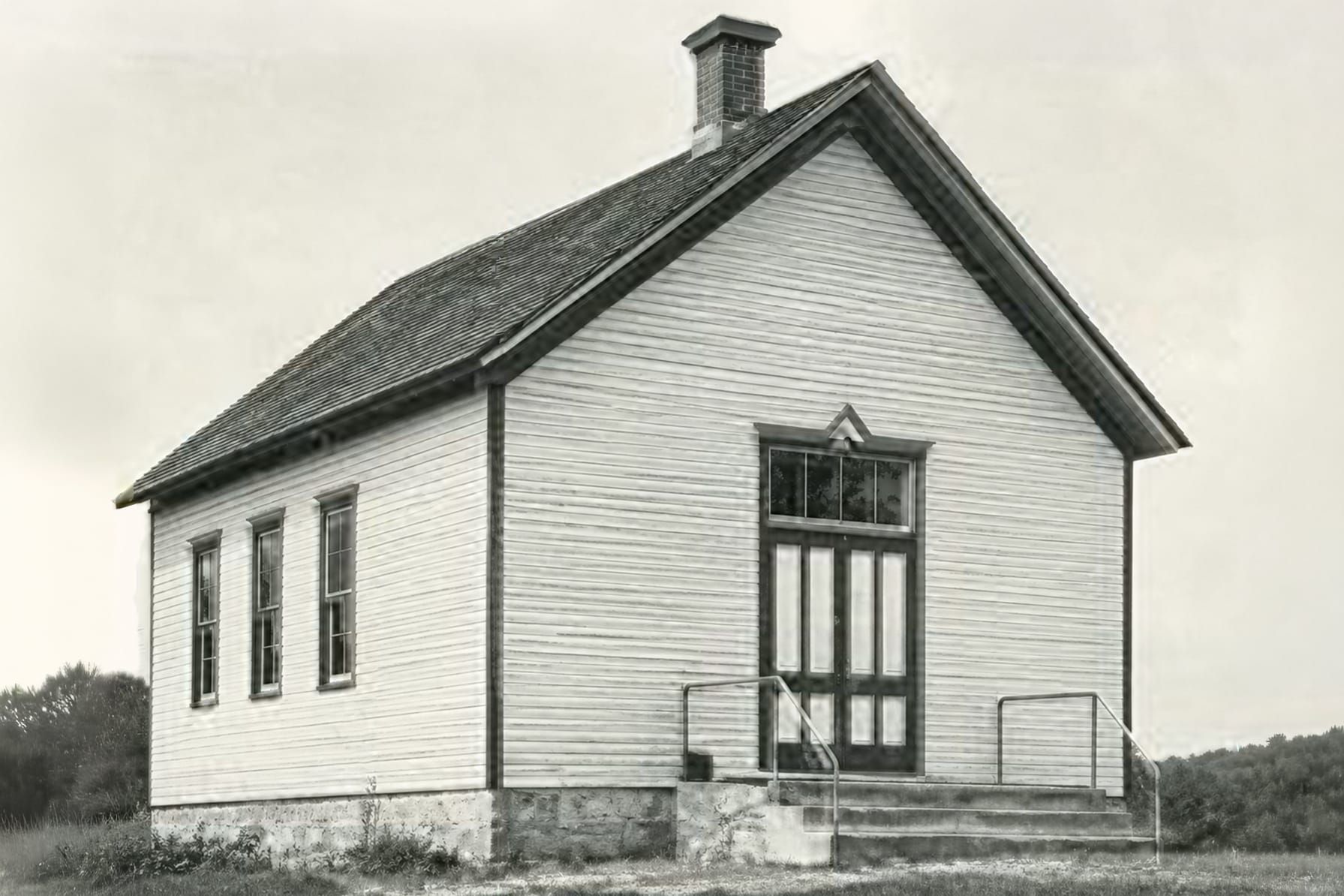
Long before children from the countryside boarded buses for classes in New Glarus, many attended school in small buildings scattered among the farms and valleys of Green and Dane counties. A single teacher might instruct children from first through eighth grade in the same room, often within walking distance of their homes.
Those schools served rural families whose homes were too far from village classrooms for a daily walk. Their districts were shaped around nearby farms and roads, sometimes crossing township and county lines. The schools were not merely smaller versions of modern elementary schools; they were neighborhood institutions with their own teachers, school boards, celebrations and traditions.
According to a 2012 New Glarus Public Library history, the last country schools in the area, apart from Amish schools, operated during the 1961-62 school year. That fall, their pupils joined the New Glarus district schools. Some rural schools had already closed years earlier.
The transition was part of a sweeping statewide change. By the time New Glarus-area children were moving into town, Wisconsin had spent decades debating whether tiny school districts could deliver the facilities, courses and efficiency expected of modern education. But not everyone agreed that combining schools was the answer.
Remaining content is for paid members only.
Please subscribe to any paid plan to unlock this article and more content.
Subscribe Now