Look Up: Wisconsin's Monarchs Are Heading to Mexico

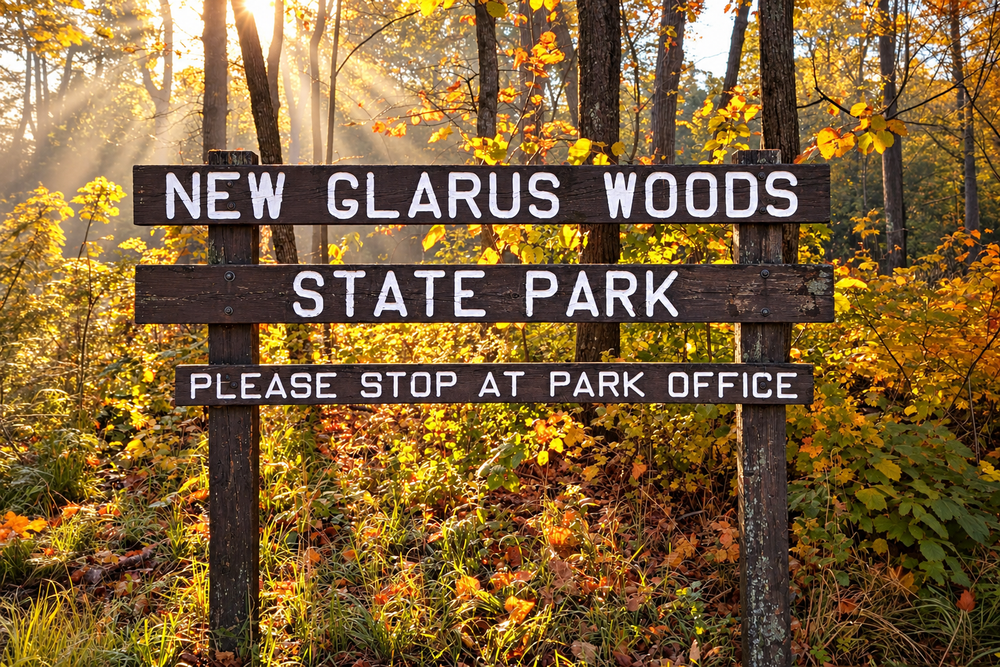
The annual fall migration is still unfolding over southern Wisconsin, where butterflies weighing about as much as a paper clip are traveling roughly 1,700 miles toward mountain forests in central Mexico — and some are still passing New Glarus.


Look Up: Wisconsin's Monarchs Are Heading to Mexico
Monarch butterflies move across the landscape during fall migration. Wisconsin lies along the eastern monarch population’s route to Mexico, where the butterflies will spend the winter in mountain forests after a journey of roughly 1,700 miles or more from southern Wisconsin.

Look up over a New Glarus prairie, roadside or backyard on a warm September afternoon and the orange-and-black butterfly moving steadily southwest may be doing much more than drifting from flower to flower. It may be headed for Mexico.

Wisconsin's annual monarch migration is well underway. The largest wave typically moves through the Upper Midwest earlier in September, but monarchs continue to pass through southern Wisconsin as the migration front advances south. Journey North reported that the leading edge reached northern Oklahoma and Texas on Sept. 22, while Wisconsin observers were still reporting monarchs and roosts farther north.

The scale can be startling when the butterflies gather. A Journey North observer in Green Lake estimated about 1,000 monarchs on Sept. 6 in trees around a field of blooming buckwheat. Three days later, an observer in Arlington, north of Madison, estimated 596 monarchs roosting on the south-facing sides of trees. Those are individual community-science observations rather than statewide population counts, but they offer a glimpse of how concentrated the migration can become.

The travelers are unusual even by monarch standards. Karen Oberhauser, a University of Wisconsin-Madison professor emerita and longtime monarch researcher, wrote for the Wisconsin Monarch Collaborative this month that monarchs emerging after about Aug. 15 respond to shortening days and the changing angle of the sun by delaying reproduction, storing fat and beginning the long trip to central Mexico. Their parents and grandparents lived very different lives; this late-summer generation is built to migrate.

Remaining content is for paid members only.

Please subscribe to any paid plan to unlock this article and more content.

Already have an account? Sign in

Comments available to premium members.

Create a premium account and join the discussion.

Already have an account? Sign in

Sign up for our New Glarus 360 newsletters

Breaking news, things to do and alumni updates—delivered.

Please check your inbox and confirm. Something went wrong. Please try again.