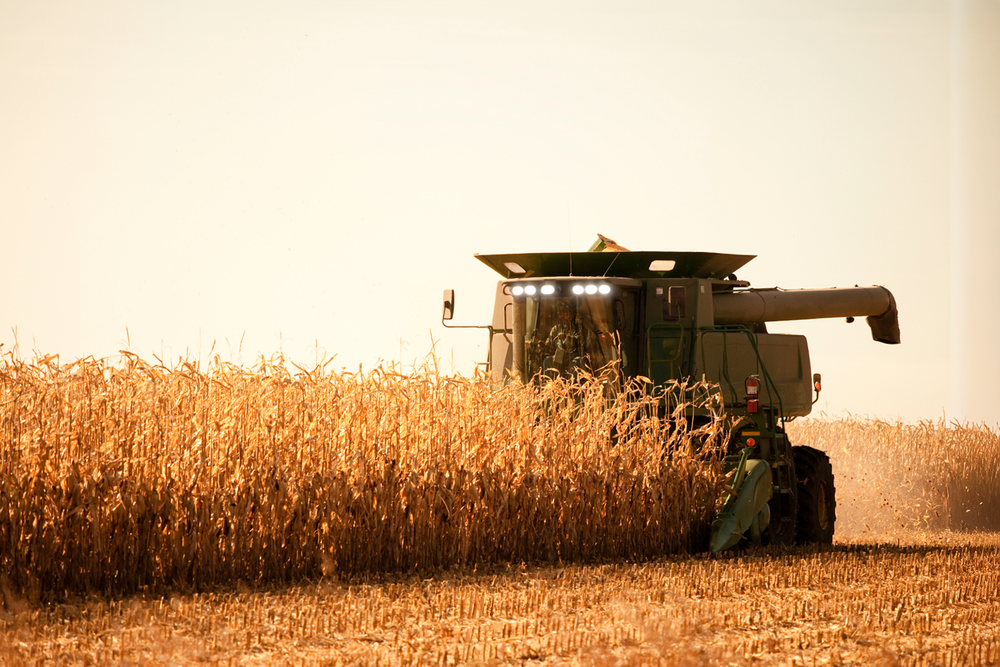
On the Horizon: When Dairy No Longer Needs a Cow

As the World Dairy Expo returns to Madison this week, there is a new technology that is producing “whey” without cows. And it is also advancing toward cheese. For Green County, the question is not whether to cheer it on, but whether a changing dairy market could eventually reach our farms.

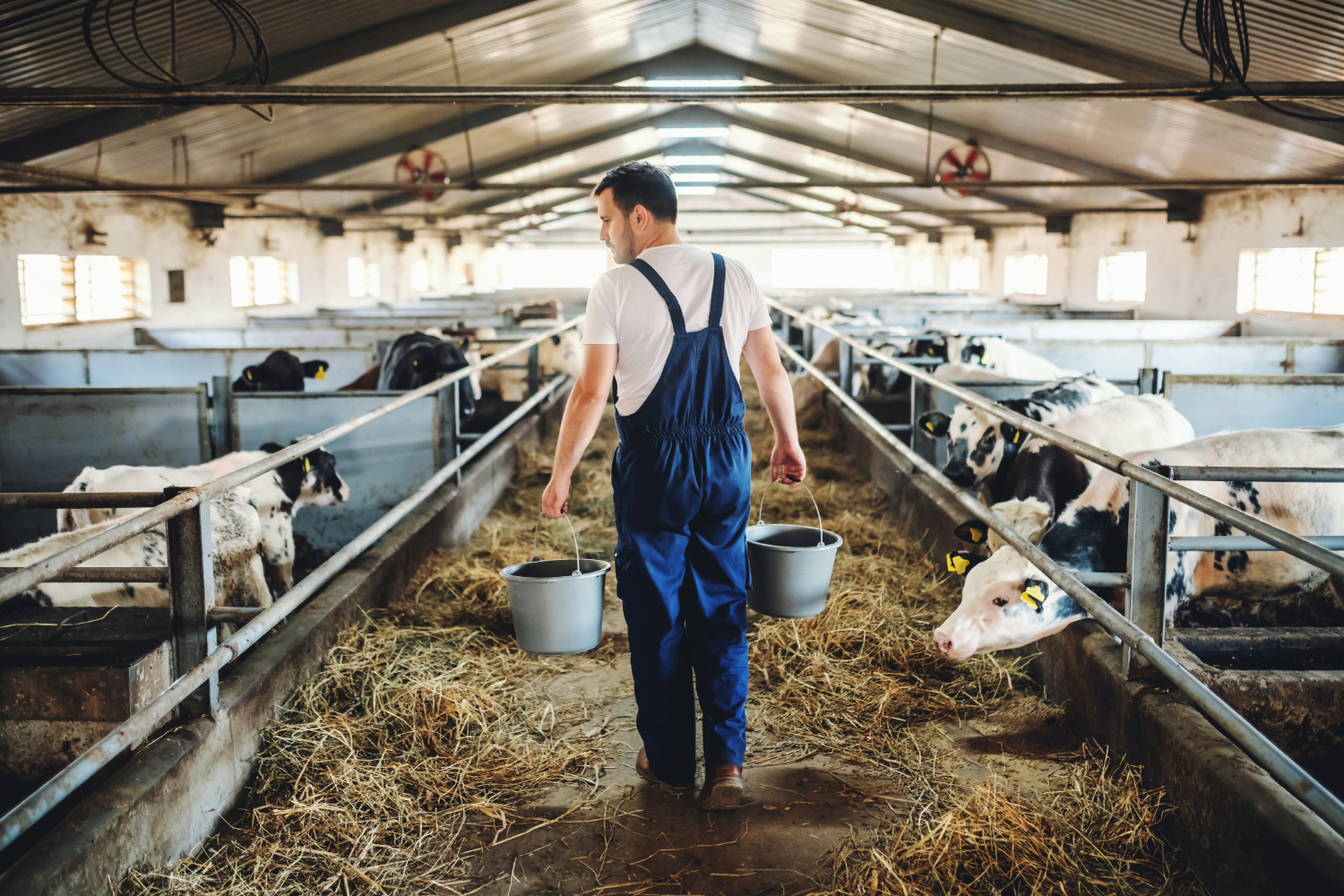
On the Horizon: When Dairy No Longer Needs a Cow
Dairy farming remains the foundation of Wisconsin’s milk supply. Precision fermentation raises the possibility that some milk proteins could eventually be produced without the cow.

On the Horizon is a New Glarus 360 feature looking beyond today’s headlines at larger economic, demographic, technological and cultural changes that may eventually reach our community. The goal is not to predict the future, but to recognize consequential changes while they are still far enough away to prepare for them.

Next week, thousands of dairy farmers, cattle breeders, cheesemakers, equipment manufacturers, researchers and industry leaders will gather in Madison for the World Dairy Expo. The trade show opens Tuesday, Sept. 29, with four days devoted to the cows, technology and businesses that have made dairy one of Wisconsin’s defining industries.

A few hundred miles from the show ring, however, another version of dairy is being developed in stainless-steel fermentation tanks. Companies are using genetically engineered microorganisms to produce proteins found in cow’s milk — especially whey proteins and, increasingly, casein, the protein that helps cheese form, melt and stretch.

The question is not whether such a technology would be popular in Green County. Given how much dairy farming and cheesemaking have built this region, it seems unlikely many here would welcome a technology designed to produce some of milk’s most valuable proteins without cows.

The more important question is what impact it could have one day on the cheese industry — the lifeblood of the Green County economy — if precision-fermented whey and casein become cheap enough and plentiful enough to compete with proteins produced from conventional milk.

Wisconsin dairy contributes $52.8 billion annually to the state economy, according to the Wisconsin Department of Agriculture, Trade and Consumer Protection. The state has about 5,000 dairy farms and 1.27 million dairy cows, and Wisconsin produces roughly 14% of the nation’s milk supply. In a region where so much economic activity depends on turning milk into cheese and valuable dairy ingredients, even a relatively small shift in demand could matter.

Remaining content is for paid members only.

Please subscribe to any paid plan to unlock this article and more content.

Already have an account? Sign in

Comments available to premium members.

Create a premium account and join the discussion.

Already have an account? Sign in

Sign up for our New Glarus 360 newsletters

Breaking news, things to do and alumni updates—delivered.

Please check your inbox and confirm. Something went wrong. Please try again.