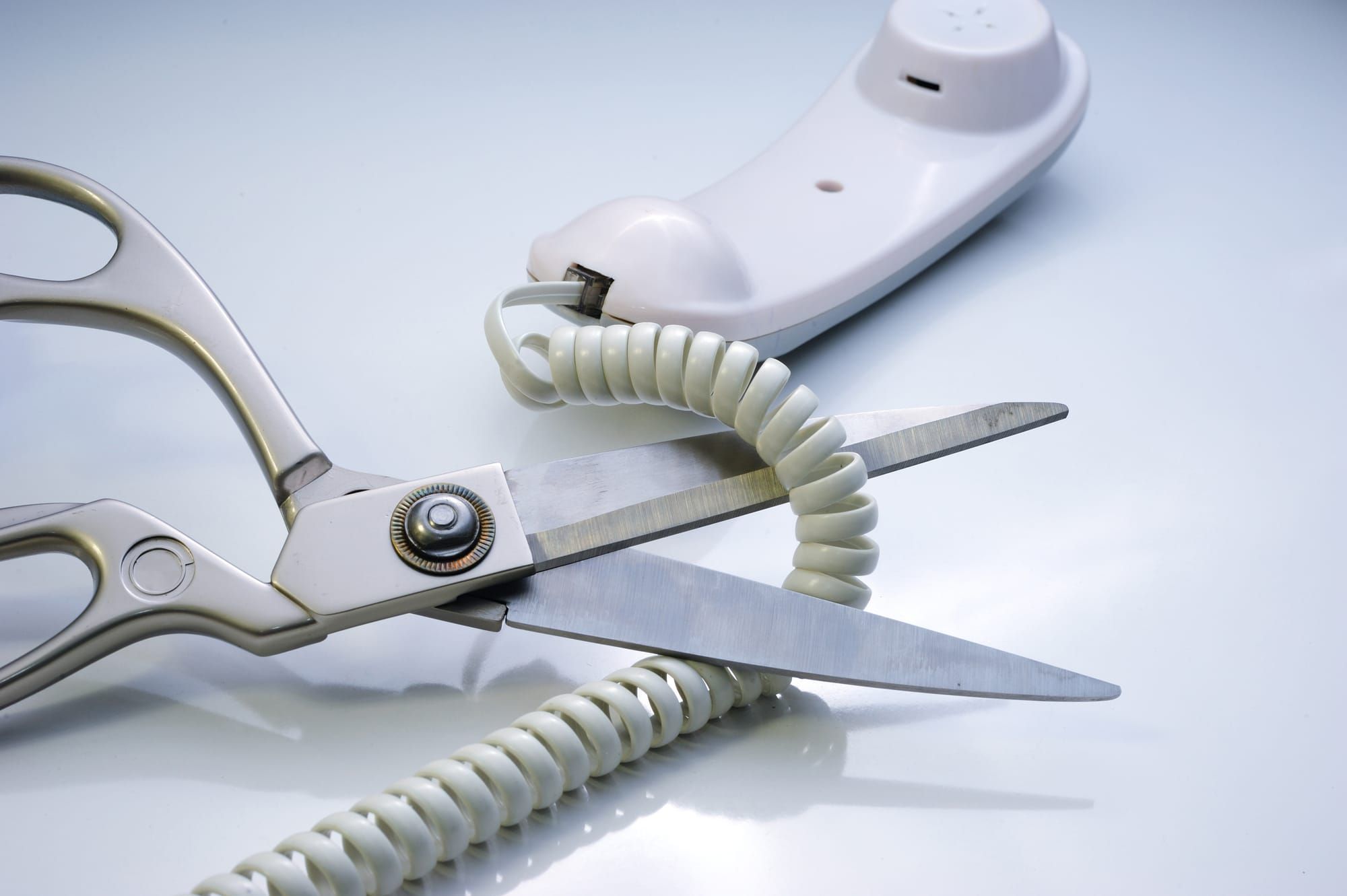
It was called a landline by most, or a POTS line by those who worked for the telephone company. In an industry obsessed with acronyms, POTS was refreshingly literal. It stood for “plain old telephone service." Because that’s exactly what it was.
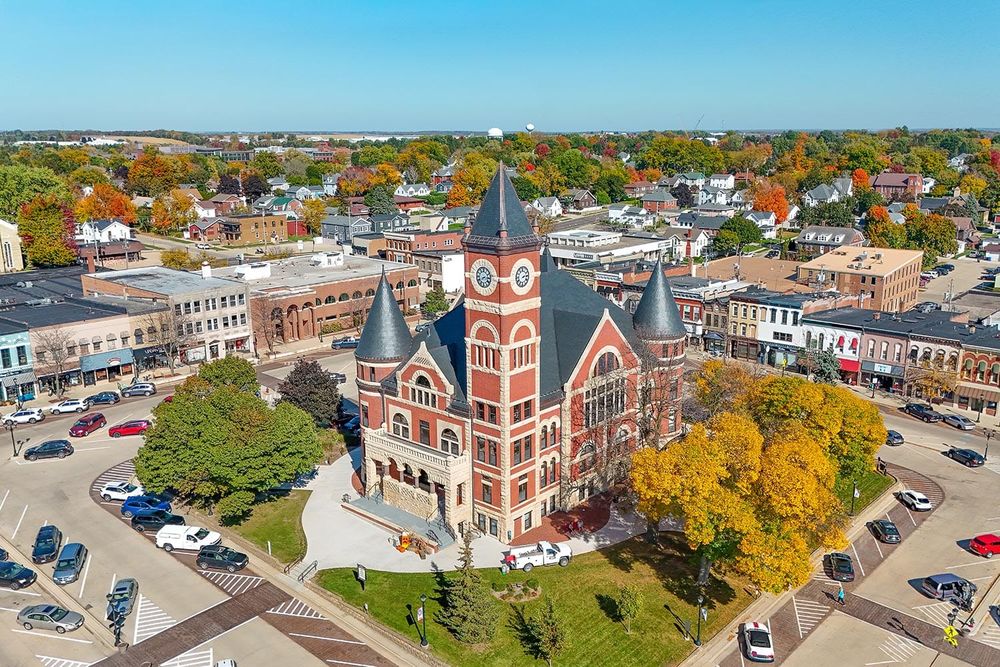
For most of the 20th century, the landline was not just how people talked. It was how communities were stitched together. In towns like New Glarus, the phone rang in kitchens, hallways and basements, a small metal hammer striking an actual bell inside the phone. Tethered to the wall by a cord plugged into an RJ11 jack, it connected households to a wider world through a strand of copper that almost never failed.
Remaining content is for paid members only.
Please subscribe to any paid plan to unlock this article and more content.
Subscribe Now