New Glarus 360Independent local news and information for greater New Glarus, Wisconsin.
What Wisconsin’s Open Meetings Law Requires
Wisconsin’s open meetings law gives citizens broad rights to observe government in action. Here is what local boards must do, when they can meet privately, what residents can record and how a law with roots in the 1800s developed into today’s rules.
Wisconsin’s open meetings law starts with a sweeping declaration: Representative government depends on an informed electorate, and the public is entitled to the “fullest and most complete information” about government affairs that is compatible with conducting government business.
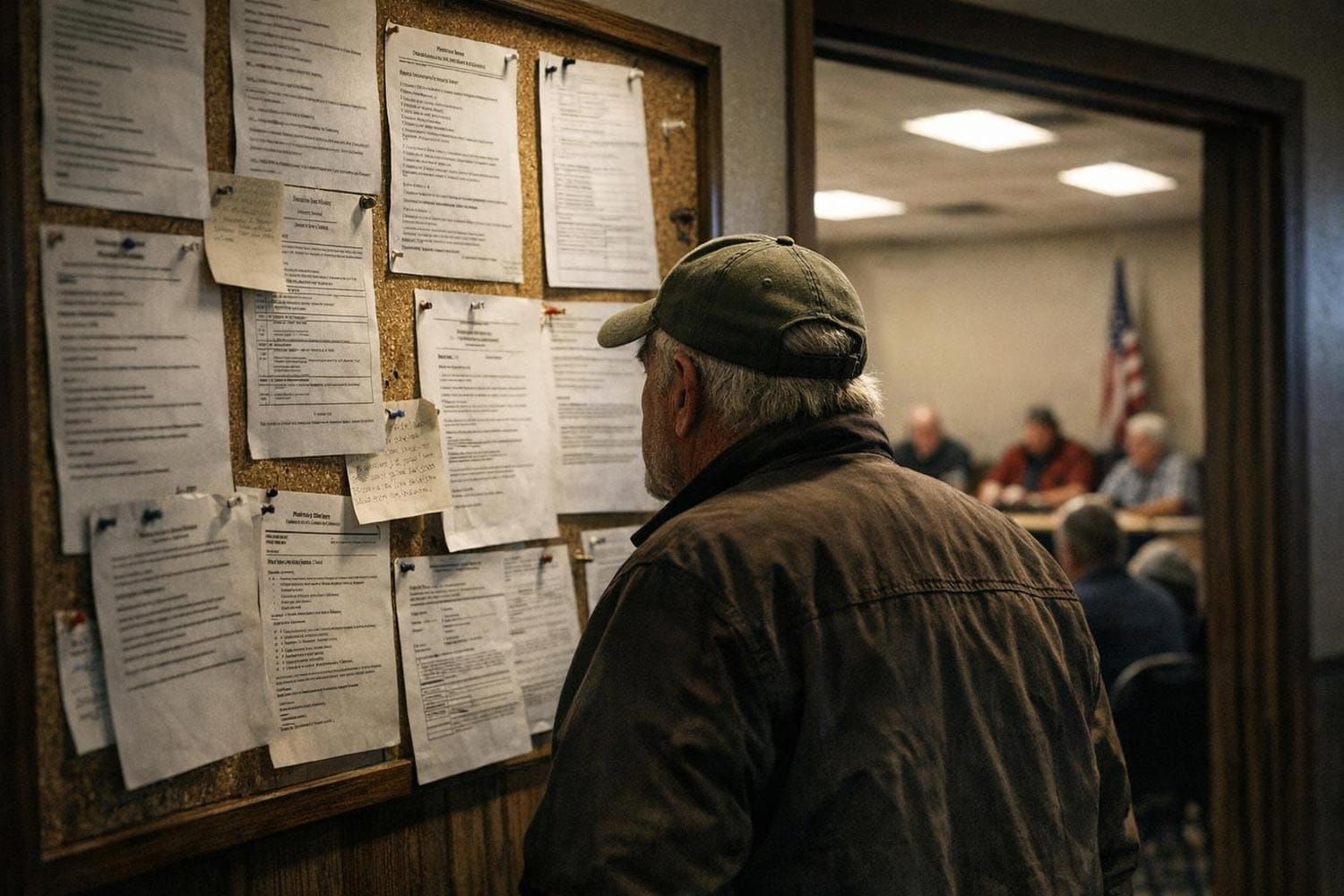
In practical terms, meetings of governmental bodies such as the New Glarus Village Board, Town Board and School Board generally must be held publicly, in places reasonably accessible to citizens. The law is specifically written to favor openness, with exceptions interpreted narrowly.
But the law governs much more than whether the meeting-room door is unlocked. It establishes rules for advance notice, agendas, closed sessions, voting, recording meetings and even conversations among officials outside a formal meeting.
For citizens, understanding those basic rules can make it much easier to follow local government — and recognize when something may not be right.
Remaining content is for paid members only.
Please subscribe to any paid plan to unlock this article and more content.