On an October afternoon today, a combine can roll across a New Glarus hillside and consume row after row of corn with barely a pause. A grain cart keeps pace beside it. A truck waits at the field edge. Acres disappear behind the machine in a matter of hours.
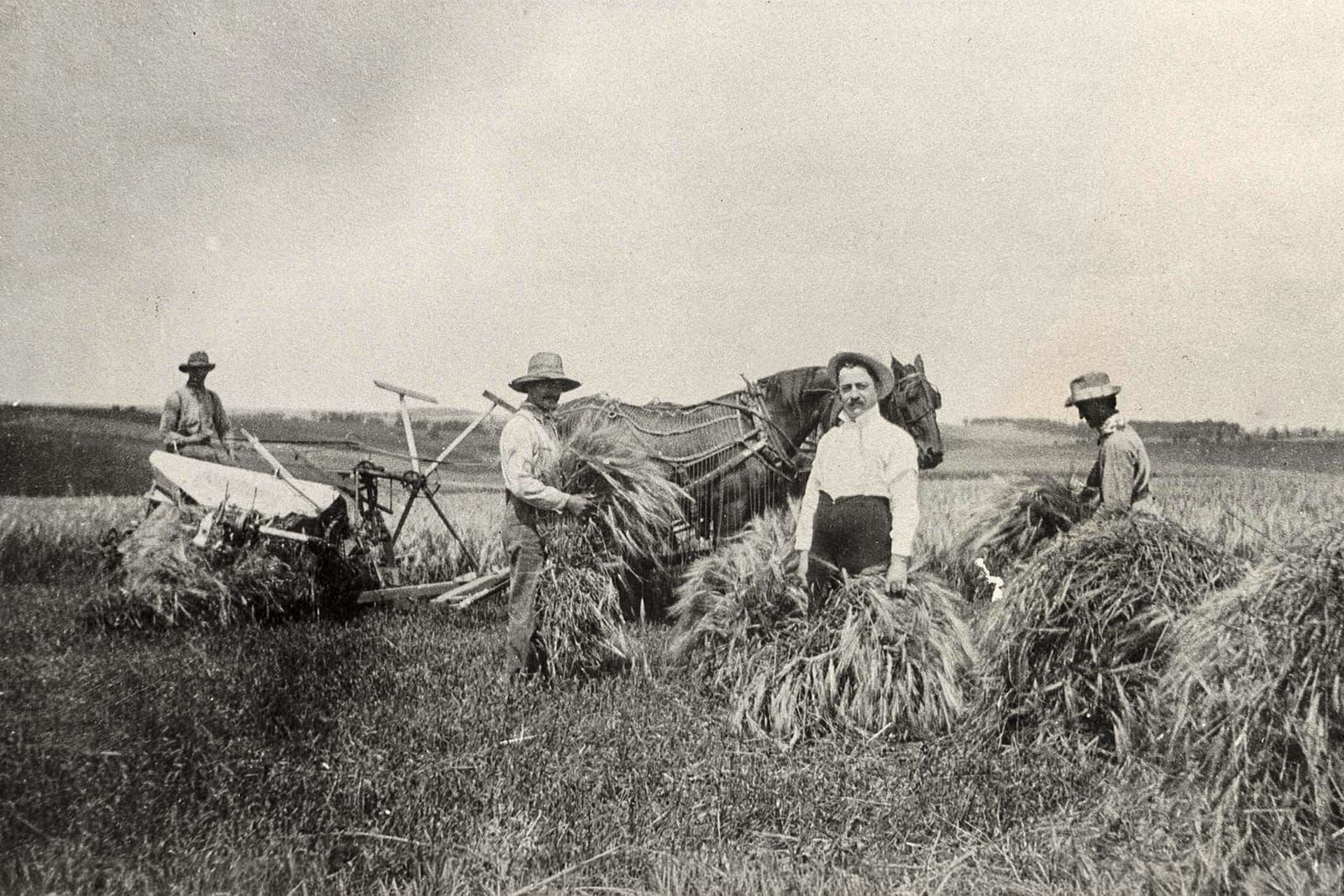
The same hills near New Glarus once told a very different harvest story. Hay filled the mow first. Then wheat and barley turned gold in the summer sun and were cut, bundled and stood in shocks to dry. Later came corn, its stalks gathered into upright shocks across the fields. By fall, wire-mesh cribs could be packed with ears of corn while barns and granaries held the work of another season.
That older harvest was slower, dirtier and far more physical. Grain was cut with scythes and cradles before horse-drawn reapers and binders eased some of the labor. Sheaves had to be gathered, shocks built, grain hauled and threshed. Weather could undo weeks of work in a single storm.
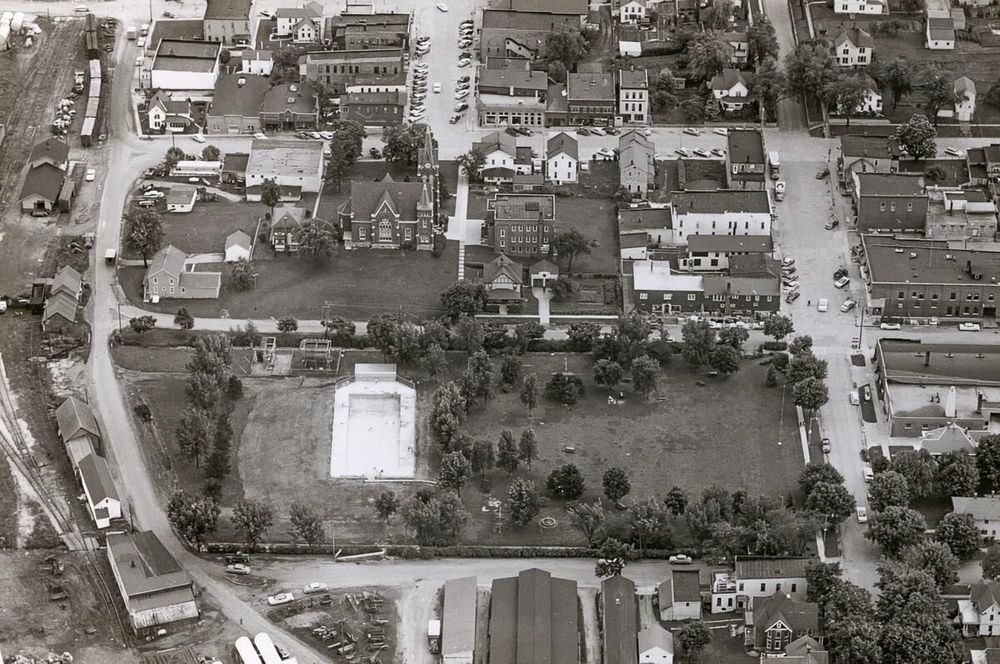
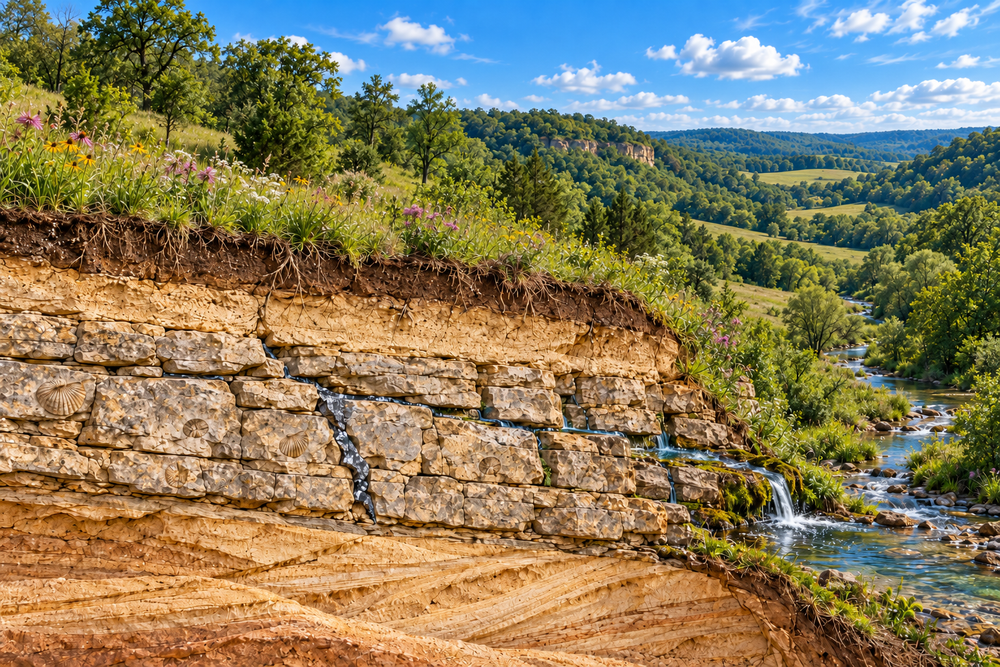
But the history of harvest around New Glarus is more than old tools giving way to new ones. It is the story of how crops repeatedly changed the landscape itself — from the first awkward attempts to farm unfamiliar ground, through a wheat boom that scarred the hills, to the contour strips that later wrapped around those slopes and the broad fields of corn and soybeans familiar today.
Remaining content is for paid members only.
Please subscribe to any paid plan to unlock this article and more content.
Subscribe Now