Stories and archival features focused on New Glarus history, from early settlement and Swiss heritage to long-forgotten events, buildings, and people. This section preserves the community’s past while connecting it to the present.
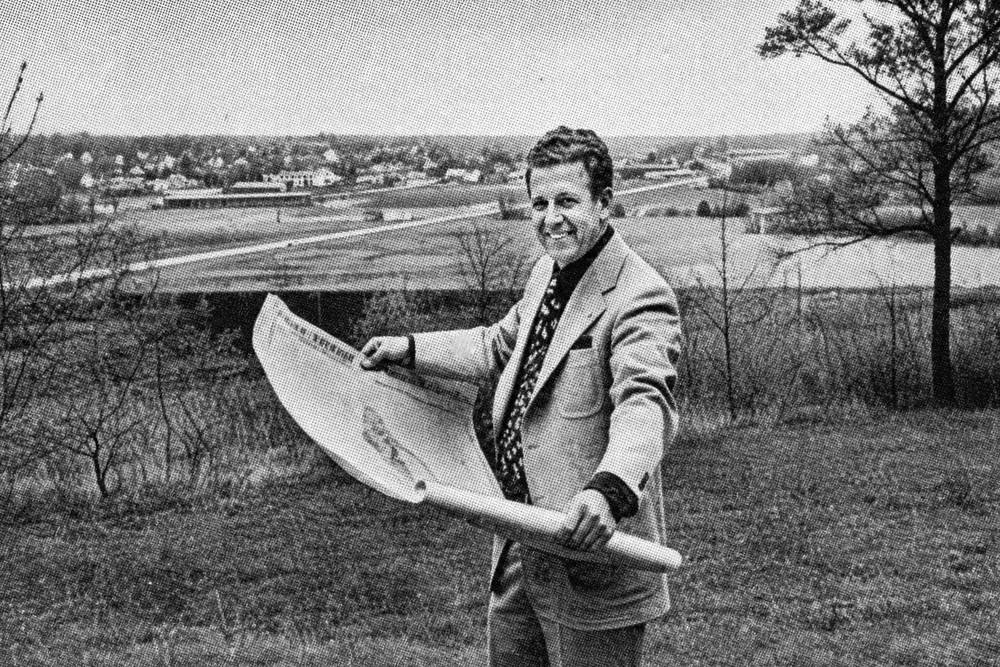
Decades before New Glarus Brewing Company transformed the hill south of town, Swiss immigrant Robbie Schneider nearly built a $6.2 million resort there, complete with a cheese factory, chalet buildings, Swiss artisans and even a Matterhorn.
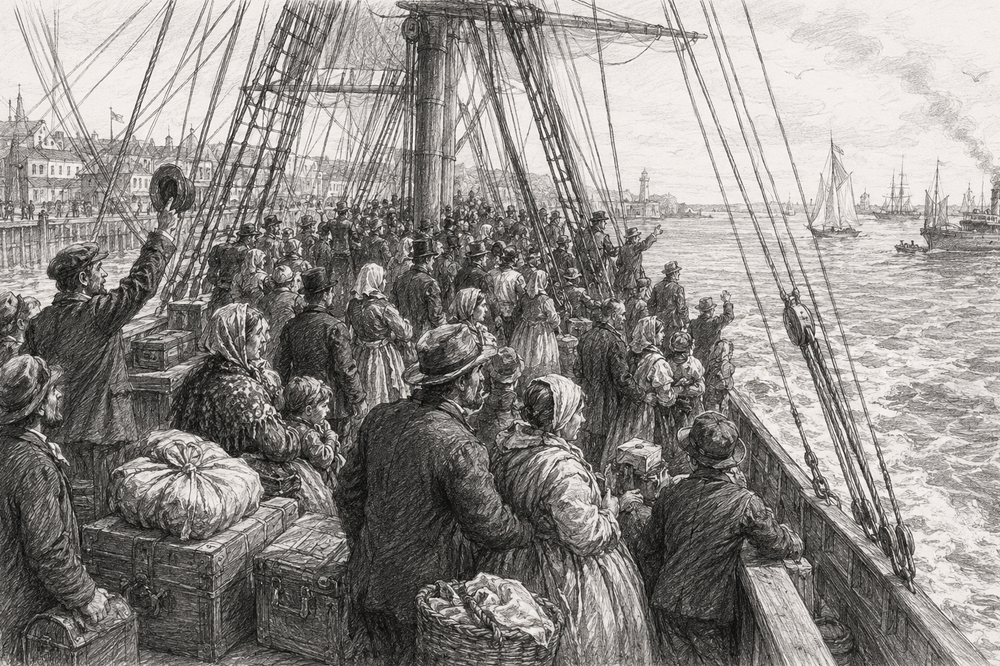
Saturday marks 181 years since the 1845 arrival traditionally recognized as New Glarus’ birthday — the end of an extraordinary four-month journey from Switzerland that survived storms, sickness, hunger, confusion and repeated moments when the plan nearly unraveled.
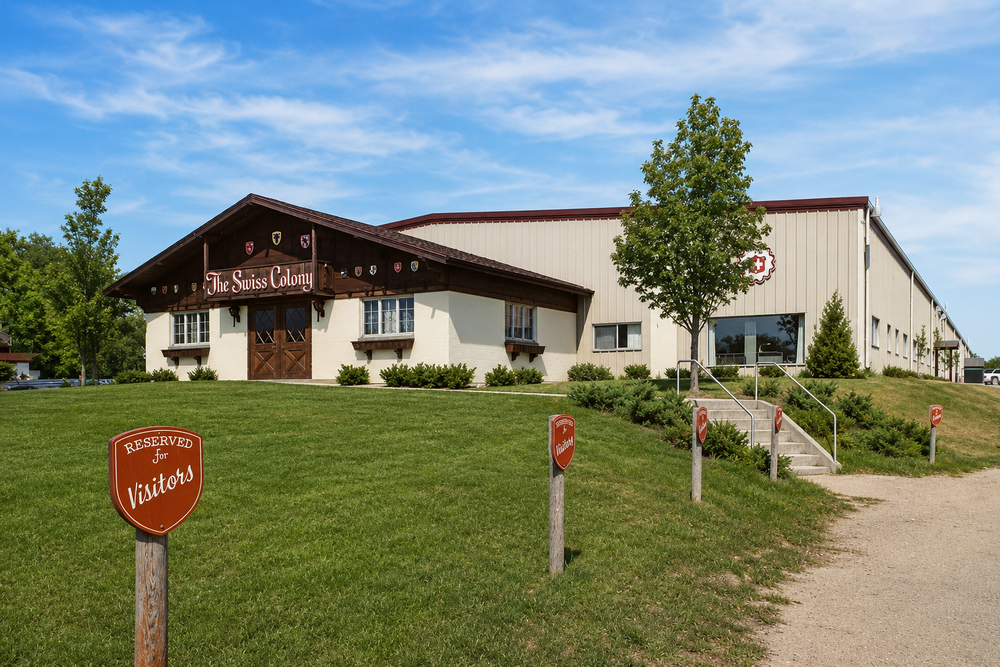
Founded with about 50 mail-order cheese packages in 1926, Colony Brands enters its second century as a billion-dollar, family-owned enterprise with deep roots in Green County’s cheesemaking culture and the Swiss settlement at New Glarus.
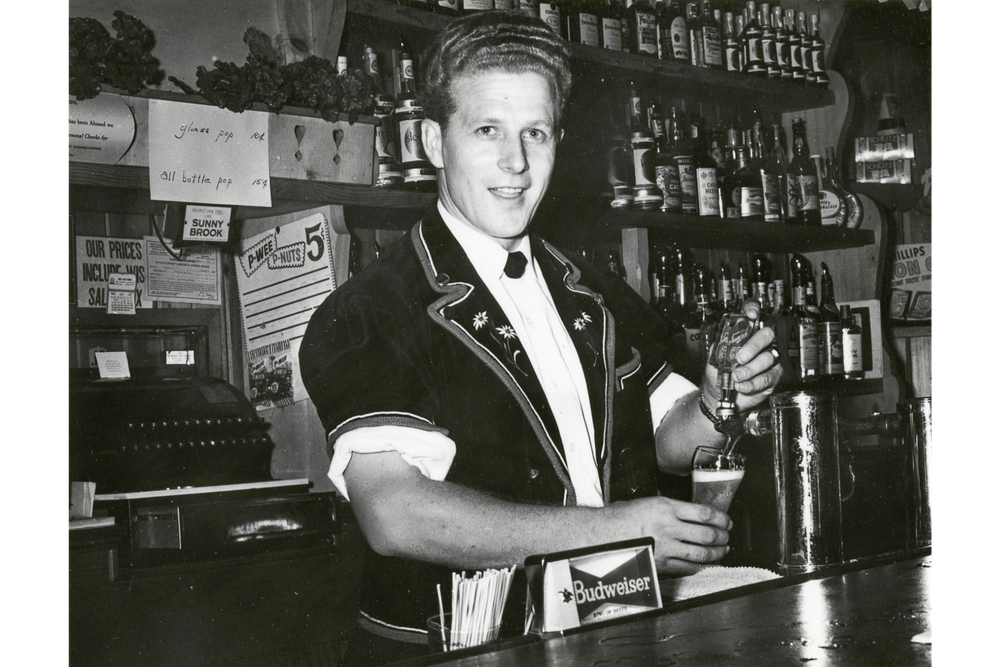
A circa-1972 photograph captures Robert “Robbie” Schneider serving beer at the New Glarus Hotel, surrounded by liquor bottles, old advertising and Swiss details that reflected both the hotel and the tourism identity he helped cultivate in New Glarus.
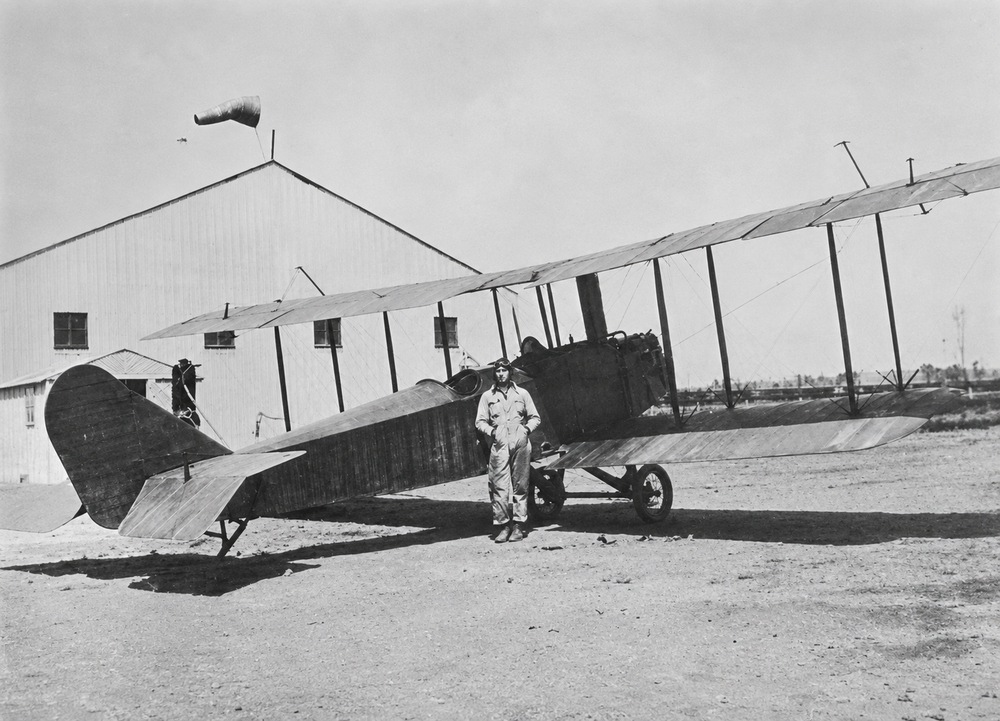
A private grass runway near Airport and Elmer roads connected New Glarus to aviation’s early years, where local pilot Herman Lufi carried the village’s first airmail, trained as a mechanic and survived a dramatic 1951 crash at night.
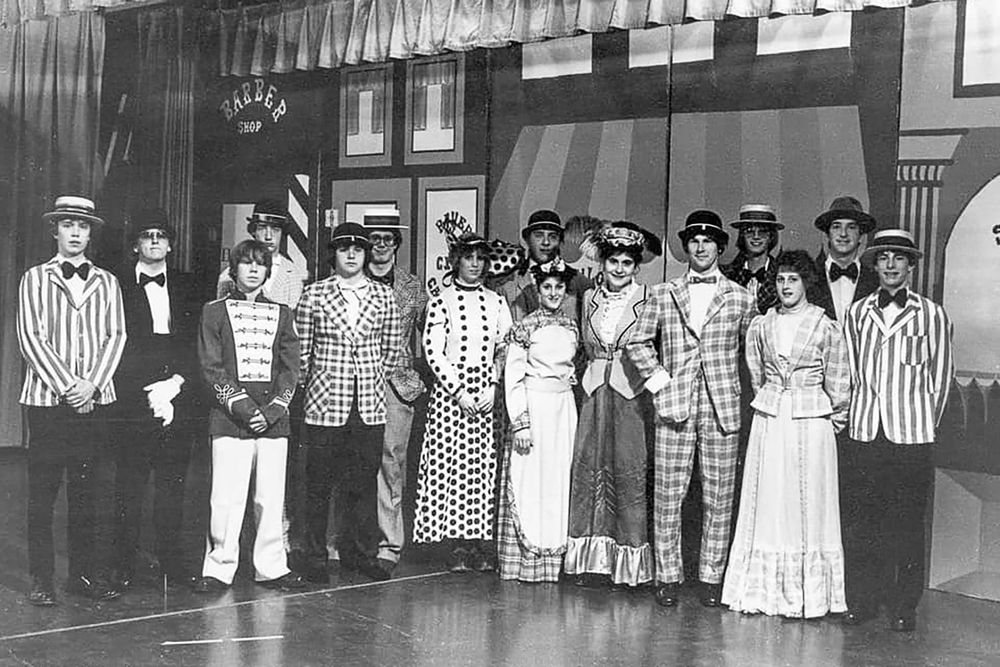
A 1981 New Glarus High School production of “The Music Man” brought students together on stage as residents of fictional River City, Iowa, complete with period costumes, painted storefronts and some familiar New Glarus faces from more than four decades ago.
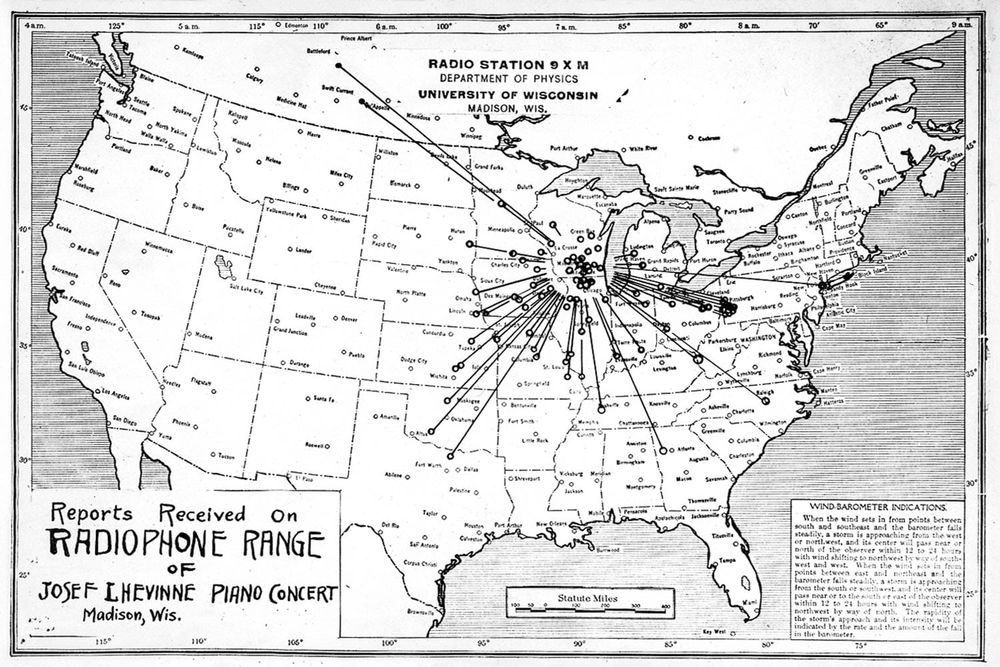
Long before Green County had a station of its own, New Glarus residents could hear weather forecasts from Madison, music from Chicago and voices carried across the countryside by one of the most transformative inventions of the 20th century.
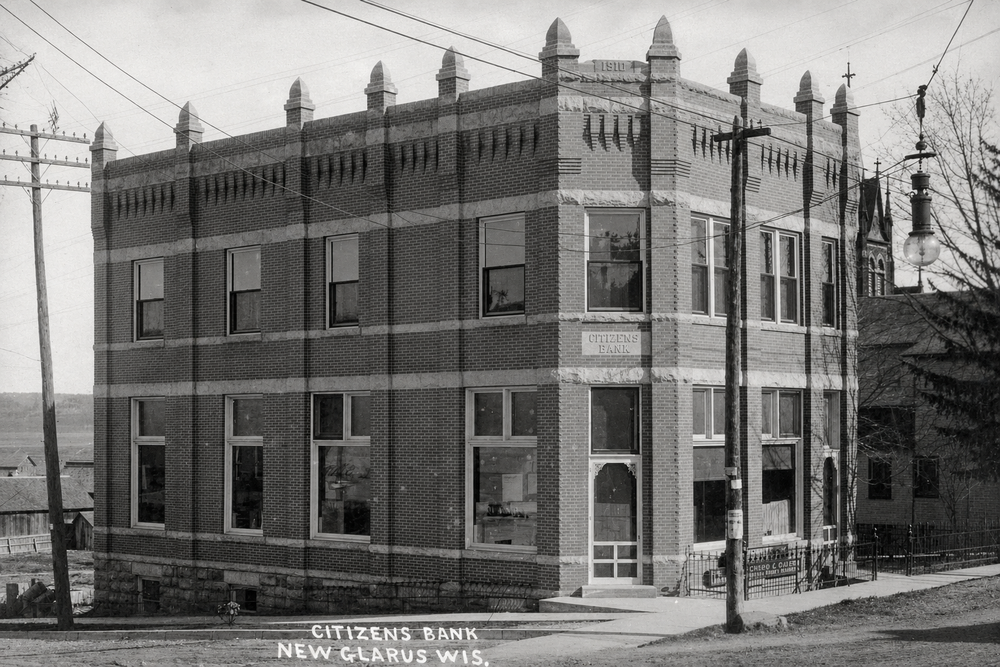
A 1910 photograph of the Citizens Bank captures a moment when New Glarus was growing into a prosperous dairy and commercial center — and shows how architecture, streets, utilities and nearby businesses reflected the village’s ambitions.
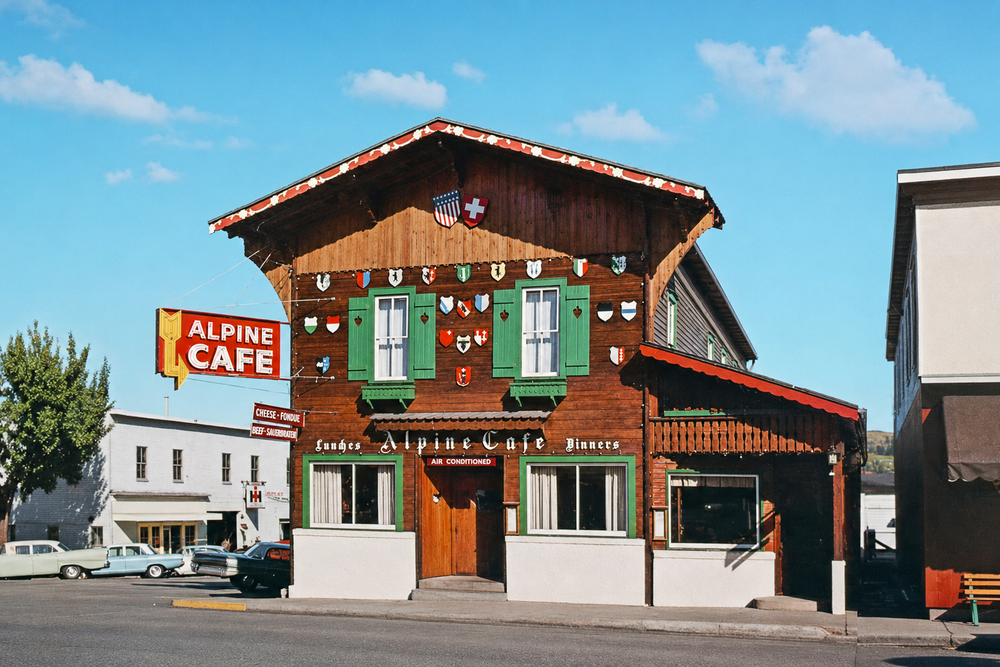
An early-1960s view of the Alpine Cafe at 500 1st Street captures New Glarus as its business community turned toward Swiss-themed tourism while the village’s older agricultural economy, represented by a tractor dealership, began to fade.
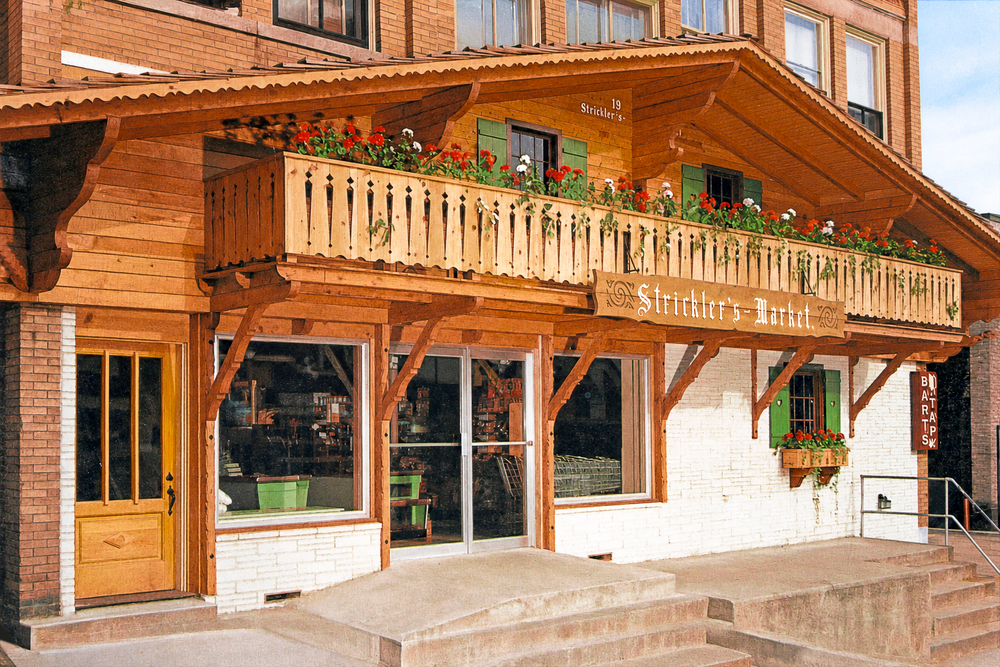
A postcard view of Strickler’s Market recalls a Second Street business that grew from a family meat market into a grocery and sausage operation, all behind one of New Glarus’ most memorable midcentury Swiss-style downtown storefronts.
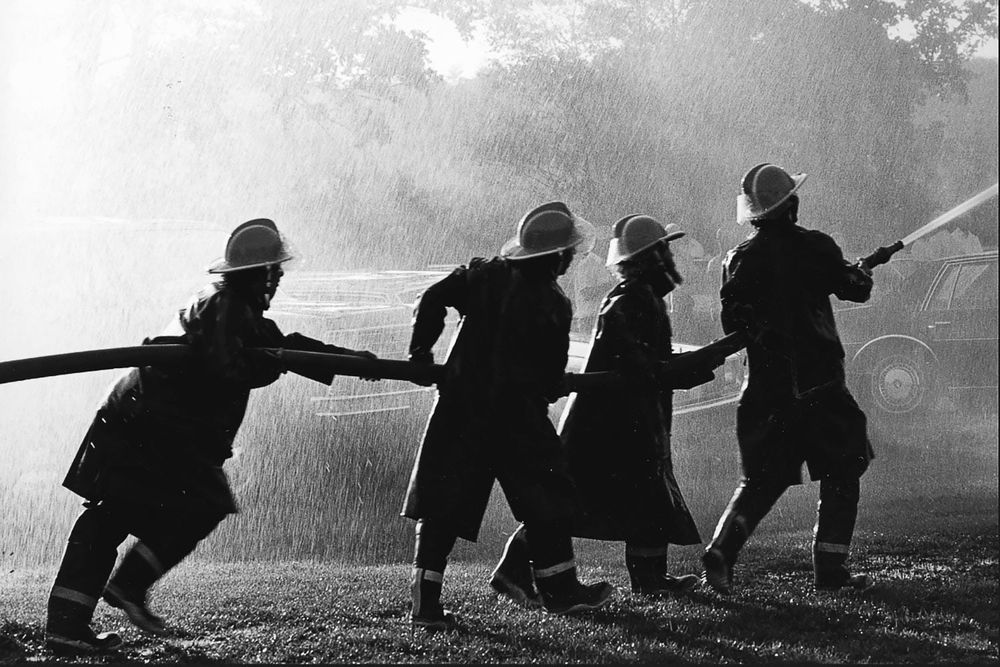
Long before Firefest, volunteer firefighters from New Glarus and Belleville turned hose streams into a fierce spectator sport, drawing large crowds, fueling rivalry and testing strength, balance, teamwork, strategy and hometown pride.
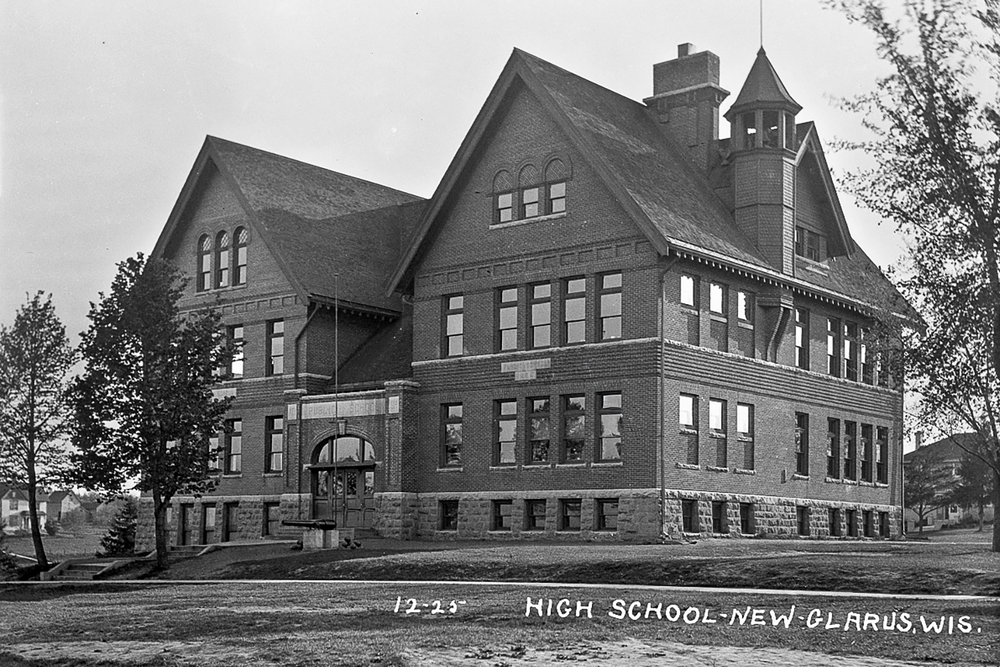
A 1925 photograph captures the east-facing New Glarus school, its 1914 addition and the cannon known as “The Old Guard,” a landmark that later inspired the student newspaper and survived to become part of the Swiss Historical Village.
Showing 12 of 125 total posts
Breaking news, things to do and alumni updates—delivered.