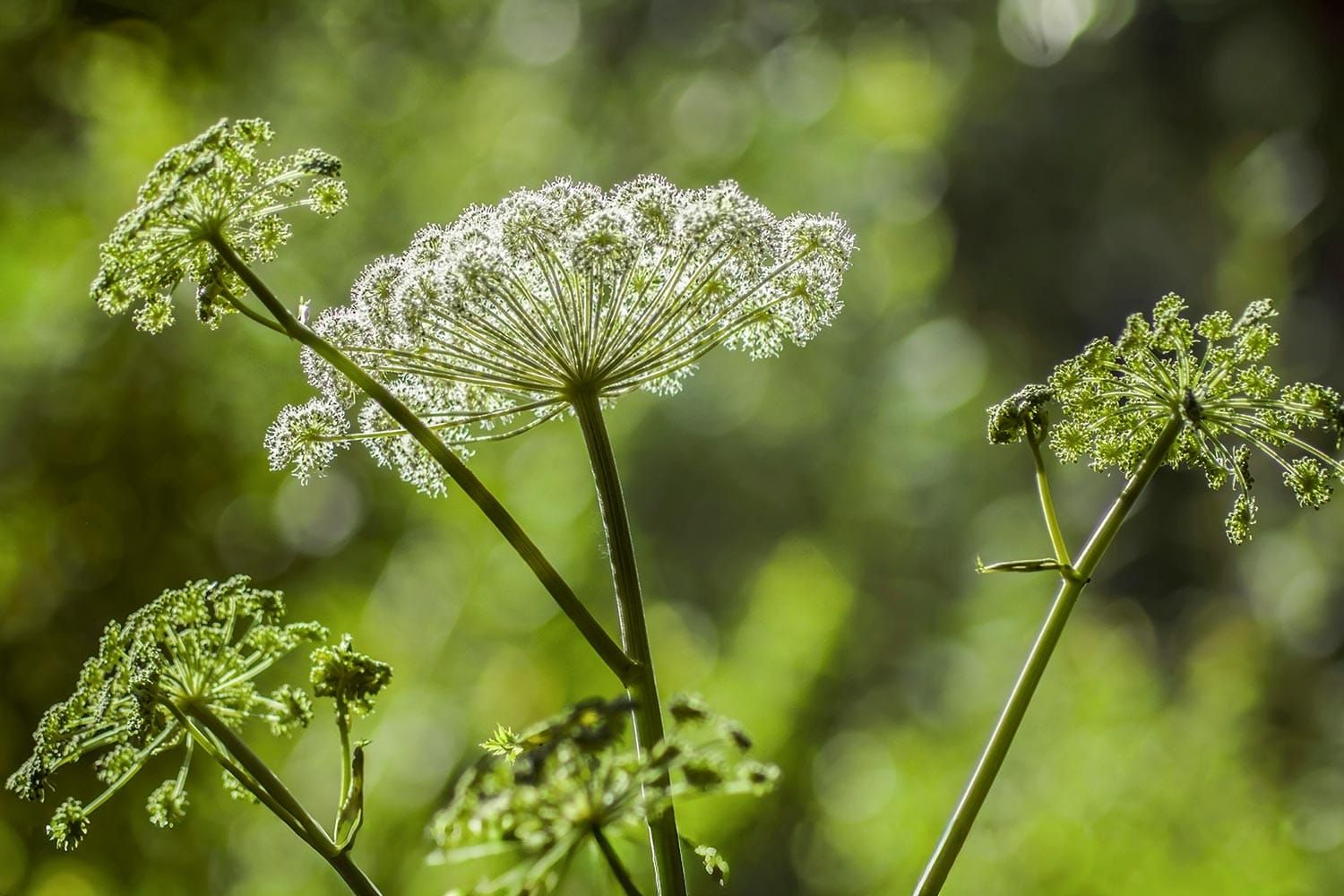
An emergency medical call in the area over the weekend involving a possible exposure to hemlock offers a timely reminder about one of Wisconsin’s more dangerous invasive plants.
Poison hemlock, or Conium maculatum, is a tall biennial plant that can grow from 3 to 10 feet high and is commonly found along roadsides, fields, stream banks, disturbed areas, floodplains and other open areas. The Wisconsin Department of Natural Resources warns plainly that “all parts of the plant are toxic to animals and humans.”
The plant contains naturally occurring toxic alkaloids, including coniine, that affect the nervous system. In humans, serious poisoning can cause tremors, muscle weakness, paralysis and difficulty breathing. Severe cases can progress rapidly and may require hospital treatment and mechanical ventilation.
Poison Control describes the plant as “dangerous and can be deadly” and cautions people not to attempt to manage symptoms at home if symptoms of poisoning develop.
Remaining content is for paid members only.
Please subscribe to any paid plan to unlock this article and more content.
Subscribe Now